
Phishing alert: scammers now use encryption
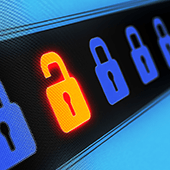
Encryption is normally associated with safety on the internet. When you visit a secure website, encryption protects the data exchanged between your browser and the server hosting the page. This technology helps prevent outsiders from intercepting information such as login credentials or financial data.
Most users recognize encrypted sites by the padlock icon shown in the browser address bar or by the “https” prefix in a web address. These indicators signal that a website uses encrypted connections.
While encryption improves privacy and security for legitimate services, cybercriminals have started using the same technology for malicious purposes. Today, encrypted phishing scams have become a growing concern because attackers now host fraudulent websites behind encrypted connections that appear trustworthy at first glance.
This shift means businesses and individuals must pay closer attention to phishing attack warning signs and improve their defenses against modern cybersecurity phishing threats.
Below is a closer look at how phishing attacks are evolving, how encryption is being used by attackers, and what organizations can do to strengthen phishing protection for businesses.
Why Encryption Is Widely Used on the Internet
Encryption helps protect information transmitted across the internet. When a connection is encrypted, the data exchanged between a website and the user’s browser becomes unreadable to outsiders.
This process protects sensitive information such as:
-
Login credentials
-
Credit card numbers
-
Personal identification data
-
Email messages
Most secure websites use a protocol called HTTPS, which encrypts communication between the browser and the server.
Google encourages website owners to adopt HTTPS encryption to protect user data and improve browsing security. Additional information about secure browsing standards can be found at https://developers.google.com/web/fundamentals/security/encrypt-in-transit.
Encryption improves privacy and helps prevent attackers from intercepting information during online activity.
Unfortunately, cybercriminals have realized that encryption can also help their scams appear legitimate.
How Encrypted Phishing Scams Work
Traditional phishing attacks often relied on fake websites that were easy to identify because they lacked proper security certificates. Modern attackers have adapted.
Today, scammers frequently obtain legitimate encryption certificates for their fraudulent websites. This means the malicious pages display the same padlock icon that legitimate sites use.
This tactic allows attackers to create convincing login pages designed to steal sensitive information.
For example, attackers may create websites that imitate services such as:
-
Email providers
-
Banking portals
-
Online marketplaces
-
Cloud services
Once victims enter their credentials, attackers collect the information and use it to access accounts or commit financial fraud.
These encrypted phishing attacks can be difficult to identify because the presence of HTTPS encryption gives the illusion of legitimacy.
The Anti-Phishing Working Group reports that phishing attacks continue to increase globally, with many malicious websites now using encrypted connections. Their research can be reviewed at https://apwg.org.
This trend makes online scam detection more challenging for both individuals and businesses.
Why Encryption Makes Phishing Harder to Spot
Many internet users have been taught to look for the padlock icon in the browser address bar as a sign that a website is safe. While encryption protects the connection between the user and the website, it does not guarantee the website itself is legitimate.
In other words, encryption protects data in transit but does not verify the trustworthiness of the site hosting the page.
Attackers exploit this misunderstanding by creating fake websites with valid encryption certificates. These sites may look identical to legitimate login pages.
Because of this tactic, relying solely on the padlock icon is no longer enough to verify authenticity.
Businesses must educate employees about modern cybersecurity phishing threats so they understand that encrypted sites can still be dangerous.
The Role of Email in Phishing Attacks
Email remains one of the most common methods used by cybercriminals to deliver phishing attacks.
Attackers typically send messages that appear to come from trusted organizations such as banks, service providers, or colleagues.
These messages often contain links directing recipients to fraudulent websites designed to capture login credentials.
Examples of phishing email tactics include:
-
Urgent account verification messages
-
Fake password reset notifications
-
Payment confirmation requests
-
Delivery tracking alerts
Because phishing emails often imitate legitimate communication, employees may click links without carefully verifying the destination.
Implementing strong business email security policies helps reduce the risk of employees interacting with malicious messages.
Organizations can also apply practical email phishing security tips to help employees recognize suspicious communication.
Common Signs of a Phishing Attempt
Employees who understand how phishing attacks work are more likely to detect suspicious messages before damage occurs.
Some warning signs include:
-
Messages requesting urgent action
-
Emails that contain unexpected attachments
-
Links that redirect to unfamiliar websites
-
Slightly misspelled domain names
-
Requests for login credentials
Encouraging employees to pause and verify messages before clicking links is a key component of cyber threat prevention.
If an email appears suspicious, users should contact the sender through a separate communication channel to confirm its legitimacy.
Strengthening Phishing Protection for Businesses
Organizations must take proactive steps to protect employees and systems from phishing attacks.
Effective phishing protection for businesses usually involves a combination of security tools and employee education.
Important security measures include:
-
Email filtering systems that detect malicious links
-
Endpoint protection tools that monitor suspicious activity
-
Multi-factor authentication for user accounts
-
Secure email gateways
Multi-factor authentication helps reduce the impact of stolen credentials by requiring additional verification during login attempts.
Security frameworks published by the National Institute of Standards and Technology highlight the importance of layered defenses in preventing cyber attacks. You can review their cybersecurity guidance at https://www.nist.gov/cyberframework.
Combining these tools with employee training strengthens defenses against phishing attempts.
The Importance of Phishing Awareness Training
Technology alone cannot prevent every cyber threat. Employees play a critical role in identifying suspicious activity.
This is why phishing awareness training is one of the most effective ways to improve security.
Training programs teach employees how to:
-
Identify suspicious emails
-
Verify website addresses
-
Recognize social engineering tactics
-
Report potential threats
Regular training sessions help reinforce these habits so employees remain alert to new attack methods.
Organizations that conduct regular training often experience fewer successful phishing attacks because employees become better at recognizing warning signs.
Improving Online Scam Detection
Another important step in defending against phishing attacks involves strengthening online scam detection practices across the organization.
Businesses can encourage employees to verify links before clicking them. Hovering over a hyperlink often reveals the actual destination URL.
Users should also examine domain names carefully. Attackers frequently create addresses that resemble legitimate domains with small changes such as:
-
Extra characters
-
Slight spelling variations
-
Unusual domain extensions
These small differences can help identify fraudulent websites before employees enter sensitive information.
Strengthening Business Email Security
Because phishing attacks often begin with email messages, maintaining strong business email security is critical.
Organizations should consider implementing:
-
Spam filtering systems
-
Email authentication protocols such as SPF, DKIM, and DMARC
-
Malware scanning tools
-
Attachment sandboxing
These technologies help detect malicious emails before they reach employees.
Combining technical safeguards with employee training strengthens cyber threat prevention across the entire organization.
Businesses that want additional support with email protection and cybersecurity can review available services at https://qoverage.com/cybersecurity-services.
Why Cybersecurity Support Matters
Modern phishing attacks have become increasingly sophisticated. Attackers continuously adjust their tactics to bypass security controls and trick employees.
Because of this, many organizations rely on professional cybersecurity providers to monitor threats and maintain secure systems.
Managed IT providers often assist with:
-
Security monitoring
-
Email protection systems
-
Endpoint security tools
-
Employee security training
Organizations looking for professional support can explore managed IT services available at https://qoverage.com/managed-it-services.
Additional information about security solutions is also available at https://qoverage.com/.
Businesses interested in discussing cybersecurity protection strategies can contact the team directly at https://qoverage.com/contact.
Staying Alert in a World of Encrypted Phishing Attacks
Encryption plays a vital role in protecting internet users, yet attackers have adapted the technology for their own scams.
Modern encrypted phishing attacks often appear legitimate because malicious websites use secure connections that mimic trusted services.
Organizations must remain vigilant and combine technical defenses with employee education to reduce the risk of falling victim to these scams.
By following strong email phishing security tips, improving business email security, conducting regular phishing awareness training, and maintaining effective cyber threat prevention practices, businesses can better defend themselves against today’s evolving cybersecurity phishing threats.
Understanding how these attacks work is the first step toward stronger protection and safer online activity for everyone in the organization.